



Posted 09/07/2026
Matariki 2026: Māori New Year Guide for New Migrants
Matariki, the Māori New Year, falls on Friday 10 July in 2026. It is the only public holiday grounded in te ao Māori, and it is set by the maramataka, the Māori lunar calendar, rather than a fixed Gregorian date. The holiday marks the pre-dawn winter rising of the Matariki star cluster, known internationally as the Pleiades, and it carries three ideas at its heart: remembering those who have passed, celebrating the present, and planning for the year ahead. Many communities hold events during the surrounding week, with the largest gatherings over the long weekend.
For anyone who has recently moved to New Zealand, or who is preparing to, Matariki speaks directly to the migrant experience. It honours the whakapapa and homeland you carry with you, celebrates the life you are building here now, and turns your eyes towards the future you are working to secure. At New Zealand Shores, our licensed immigration advisers meet people at exactly this point in their journey, and we see Matariki as a fitting moment to reflect on how far a family has come and to set the plan for what comes next.
| Planning your New Zealand year ahead?
New Zealand Shores is a specialist New Zealand immigration services provider with licensed advisers ready to help. Matariki is a natural time to plan the next step, from a first eligibility check to a residence application. Get a free eligibility assessment or email [email protected]. |
 What is Matariki?
Matariki is the Māori name for a cluster of stars that reappears in New Zealand skies in mid-winter. The name is a shortened form of Ngā Mata o te Ariki o Tāwhirimātea, meaning the eyes of the god Tāwhirimātea. Different cultures know the same cluster by other names: Pleiades or the Seven Sisters in the Western tradition, Makaliʻi in Hawaii, and Subaru in Japan.
For generations, Māori read the stars to guide the year. When Matariki disappeared from the sky in autumn, it signalled the time to preserve the harvest for winter. When the cluster rose again before dawn in June or July, tohunga would study it to anticipate the season ahead and the food it might bring. These readings varied between iwi and formed part of a wider body of environmental knowledge. Matariki became a public holiday in 2022, the first new public holiday since Waitangi Day in 1974 and the first to recognise te ao Māori.
When is Matariki in 2026?
The Matariki public holiday is on Friday 10 July 2026. Many public events are held over the long weekend and the surrounding days. Because the date follows the maramataka, it shifts each year but always lands on a Friday in June or July.
The public holiday dates were recommended by the Matariki Advisory Group using the maramataka and are fixed in legislation well in advance, currently set through to 2052 under the Te Kāhui o Matariki Public Holiday Act 2022. The dates are guided by the Tangaroa nights, the last-quarter period of the lunar month of Pipiri, which is traditionally associated with the clearest viewing of the cluster. Because the maramataka responds to the moon and the wider natural world, the date moves from year to year rather than sitting on a fixed calendar day.
Unlike Easter, Christmas and the morning of Anzac Day, Matariki carries no trading restrictions. Shops, cafes and restaurants may open as normal, though some choose to close, so it is worth checking hours in advance. If you work on the day as a regularly rostered shift, you are entitled to time and a half and an alternative day off. Some hospitality businesses apply a public holiday surcharge, commonly around 10 to 15 per cent, as long as customers are told in advance.
The nine stars of Matariki and what they mean
The Matariki cluster contains hundreds of stars. In Māori tradition, nine principal stars are recognised, and each carries its own meaning. Some iwi recognise seven, and others mark the new year with a different star such as Puanga. Together these stars connect people to the land, the water, the weather, the memory of loved ones, and the hopes held for the year to come. The table below sets out the nine stars, their domain, and how each one speaks to the experience of building a life in a new country.
| Star | Domain | Meaning and connection |
| Matariki | Wellbeing and reflection | The star that gives the cluster its name. It signifies health, wellbeing, hope, and our connection to the environment and to each other. |
| Pōhutukawa | Those who have passed | The star associated with loved ones who have died in the past year. For migrants, it holds space for family and homeland left behind. |
| Tupuānuku | Food from the soil | Associated with everything that grows in the ground to be harvested or gathered for food. A reminder of nourishment and provision. |
| Tupuārangi | Food from above | Associated with everything that grows in the trees, including fruits, berries and birds. |
| Waitī | Fresh water | Connected to all fresh water bodies, lakes, rivers and streams, and the life sustained by them. |
| Waitā | The ocean | Associated with the sea and the food gathered from it. New Zealand is an ocean nation, and this star reflects that. |
| Waipuna-ā-rangi | Rain | Connected to the rain, its name meaning water that pools in the sky. |
| Ururangi | The winds | Associated with the winds and the changing weather of the year ahead. |
| Hiwa-i-te-rangi | Wishes and aspirations | The star associated with our wishes and aspirations for the year ahead. People rest their hopes and goals on Hiwa-i-te-rangi, a fitting focus for anyone starting a new chapter in New Zealand. |
Source: Museum of New Zealand Te Papa Tongarewa.
Why Matariki resonates with new migrants
The three principles of Matariki map closely onto the journey of moving to a new country. Remembering the past honours the people, places and culture you bring with you. Celebrating the present recognises the courage it takes to settle in a new land and the community you are becoming part of. Planning for the future is the work of putting down roots: secure work, a stable visa, and in time a pathway to residence.
The star Pōhutukawa holds the memory of home and family, while Hiwa-i-te-rangi carries the wishes you set for the year to come. Many of the families we work with describe their first Matariki in New Zealand as the moment they began to feel they belonged here. Taking part in Matariki is one of the most meaningful ways for a newcomer to connect with te ao Māori and with the wider community.
How to celebrate Matariki as a newcomer
You do not need to be Māori to take part. Matariki is an invitation to the whole country to gather, remember and look forward. Here are practical ways new arrivals can join in:
- Attend a hautapu, a traditional dawn ceremony. These early-morning gatherings acknowledge the stars and are held in cities and towns across the country, often free to attend.
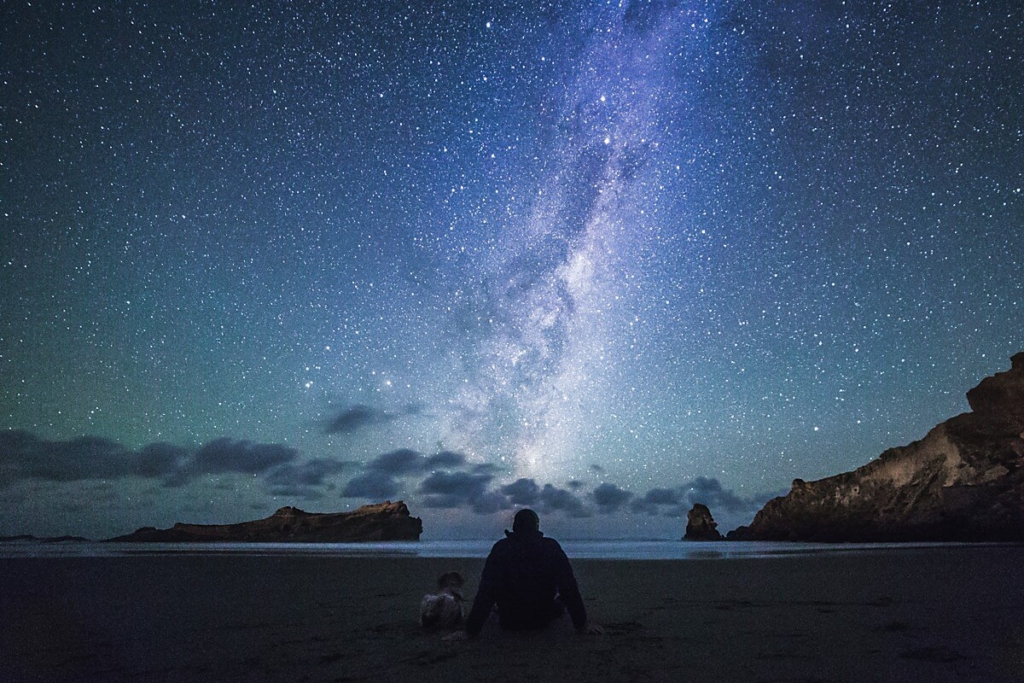
- Look for the cluster yourself. In the week around 10 July, look low towards the north-eastern horizon before dawn. Tautoru (Orion’s Belt) is a helpful signpost: the Matariki cluster sits nearby, appearing roughly as wide as Tautoru is long.
- Gather with whānau (family) and friends over kai (food). Sharing food is central to Matariki. A hāngī, cooked in the ground on hot stones, is a traditional centrepiece.
- Join a community festival. Councils and cultural centres run free events including markets, kapa haka (traditional Māori performing arts), light shows and workshops over the long weekend.
- Reflect and plan. Set aside time to remember the past year and write down your goals for the next, the way people rest their wishes on Hiwa-i-te-rangi.
Frequently asked questions about Matariki
When is the Matariki public holiday in 2026?
The Matariki public holiday is on Friday 10 July 2026. The wider observance runs from 8 to 11 July, with most public events across the long weekend.
Why does the date of Matariki change every year?
Matariki follows the maramataka, the Māori lunar calendar, rather than the fixed Gregorian calendar. The public holiday dates were set on expert advice and are fixed in legislation through to 2052, guided by the Tangaroa nights in the lunar month of Pipiri. The date shifts each year but always lands on a Friday in June or July.
What are the nine stars of Matariki?
The nine principal stars recognised in Māori tradition are Matariki, Pōhutukawa, Tupuānuku, Tupuārangi, Waitī, Waitā, Waipuna-ā-rangi, Ururangi, and Hiwa-i-te-rangi. Each is connected to a part of the natural world or to human wellbeing, memory and aspiration. Some iwi recognise seven stars, or mark the new year with Puanga.
Do I have to be Māori to celebrate Matariki?
No. Matariki is a national public holiday and everyone is welcome to take part. Attending a dawn ceremony, gathering with family over kai (food), or simply learning about the stars are all respectful ways for newcomers to join in.
Are shops open on the Matariki public holiday?
Yes, in most cases. Matariki has no trading restrictions, so shops, cafes and restaurants may open as normal, although some choose to close. Some hospitality businesses apply a public holiday surcharge, commonly around 10 to 15 per cent, as long as customers are told in advance.
I am new to New Zealand. How can Matariki help me plan my visa journey?
Matariki is traditionally a time for reflection and planning, which makes it a good moment to review your immigration goals for the year. A free eligibility assessment with New Zealand Shores will show you which pathways you qualify for and what to prepare. Email [email protected] to get started.
Can New Zealand Shores help me apply for residence?
Yes. Our licensed immigration advisers assess your eligibility, confirm your occupation and wage position, and prepare and lodge your residence application to Immigration New Zealand standards. Working with a licensed adviser reduces the risk of rejection on technical grounds.